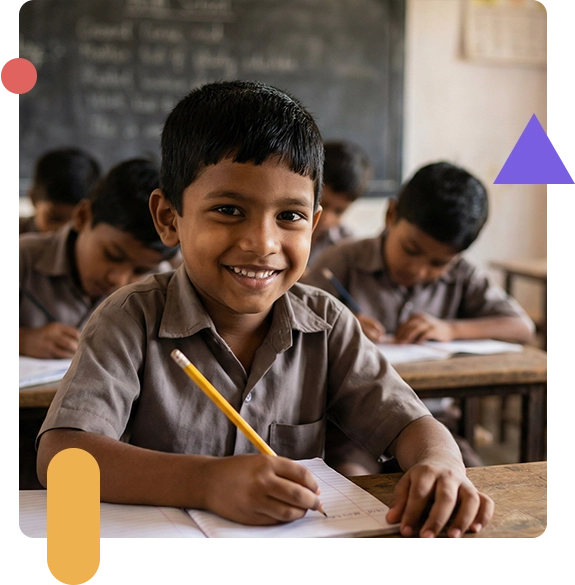
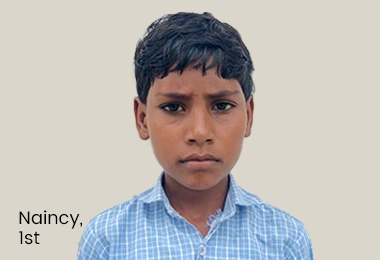
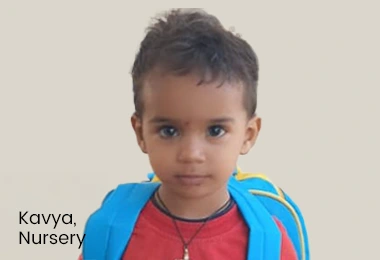
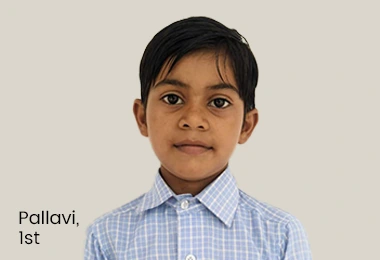
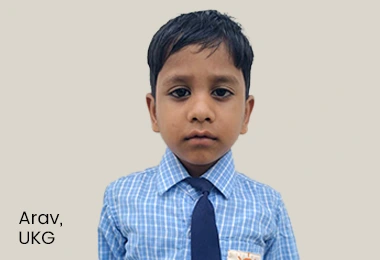
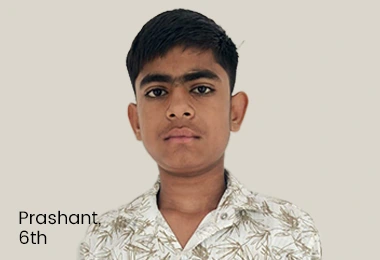
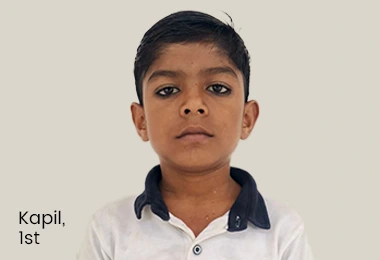
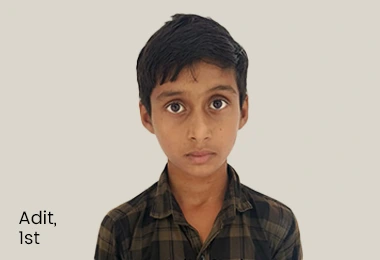
At DonateOne, we believe consistency, not charity alone, is the foundation of real change. Making sure that kids from disadvantaged families can keep going to school is the main goal of our Children’s Education program. At this point in time, we are on pace to finish ten children’s elementary school education, which will have a significant impact on whether or not they continue their education beyond that point.
A steady learning environment, regular attendance, and support for students’ academic progress are all aspects of this program that extend beyond enrollment. Children are more likely to remain in classrooms when learning is routine rather than a struggle when we collaborate closely with families and neighborhood schools.
The Vidya-Nidhi supports students from economically weaker families in continuing their education without interruption. Under this program, we provide ₹6,000 per student per year, subject to the student continuing their studies.
Vidya-Mitra
(Providing Essentials)
Vidya-Mitr is our initiative to ensure that no child is held back due to the lack of basic school supplies. We support simple, dignified ceremonies and essential household needs through a transparent process.
Why Early Education Changes Everything?
During the first several years of elementary school, many families feel the most strain. Children frequently drop out of school before they have a chance to establish solid academic foundations due to financial hardship, a lack of resources, or social difficulties. Going back to school after an interruption is a real pain.
Skills that impact a child’s capacity to thrive in life are shaped during their time in lower school, where they learn to read, write, count, and be self-confident. Without help at this point, kids run the risk of slipping farther and further behind. Donate One’s early intervention helps keep kids on track academically during their formative years, reducing the likelihood of dropouts.
How Your Donation Makes a Difference?
Your donation directly supports the completion of lower school education for children who need it most. Contributions are used for:
School fees and academic expenses
Books, stationery, and learning materials
Uniforms and essential school supplies
Ongoing monitoring to ensure attendance and progress
Each donation goes a long way toward ensuring that kids don’t drop out of school. Donating supports a child’s educational path year after year, making sure they don’t get left behind. It’s not a one-time gift; it’s a continuous investment.
Keep a Child in School
Consistency today builds confidence for tomorrow. One steady commitment can carry a child through their most critical years of learning.